Celebrating 20 Years of Impact in Early Childhood

Celebrating 20 Years of Impact in Early Childhood
“As the Center enters its third decade, our core commitment to science synthesis, translation, and communication remains the same. But the frame for that work has expanded to include a wide array of influences that shape young children's development and lifelong health. Looking ahead to a new era, I am eager to move this work forward—together with staff, faculty, and partners on the ground—in a way that builds on the Center's strengths in service of today's most pressing questions and challenges.
Building a Science-Based Story of Early Childhood Development
In the early years, as the National Scientific Council worked to synthesize the rapidly growing science around early childhood development, the Center worked to amplify that science, disseminating its first seminal working papers and developing strategies to reach key audiences with clear, actionable communications.
In partnership with communication scientists at the FrameWorks Institute, this work also led to the development of three simplifying metaphors to capture key science concepts:
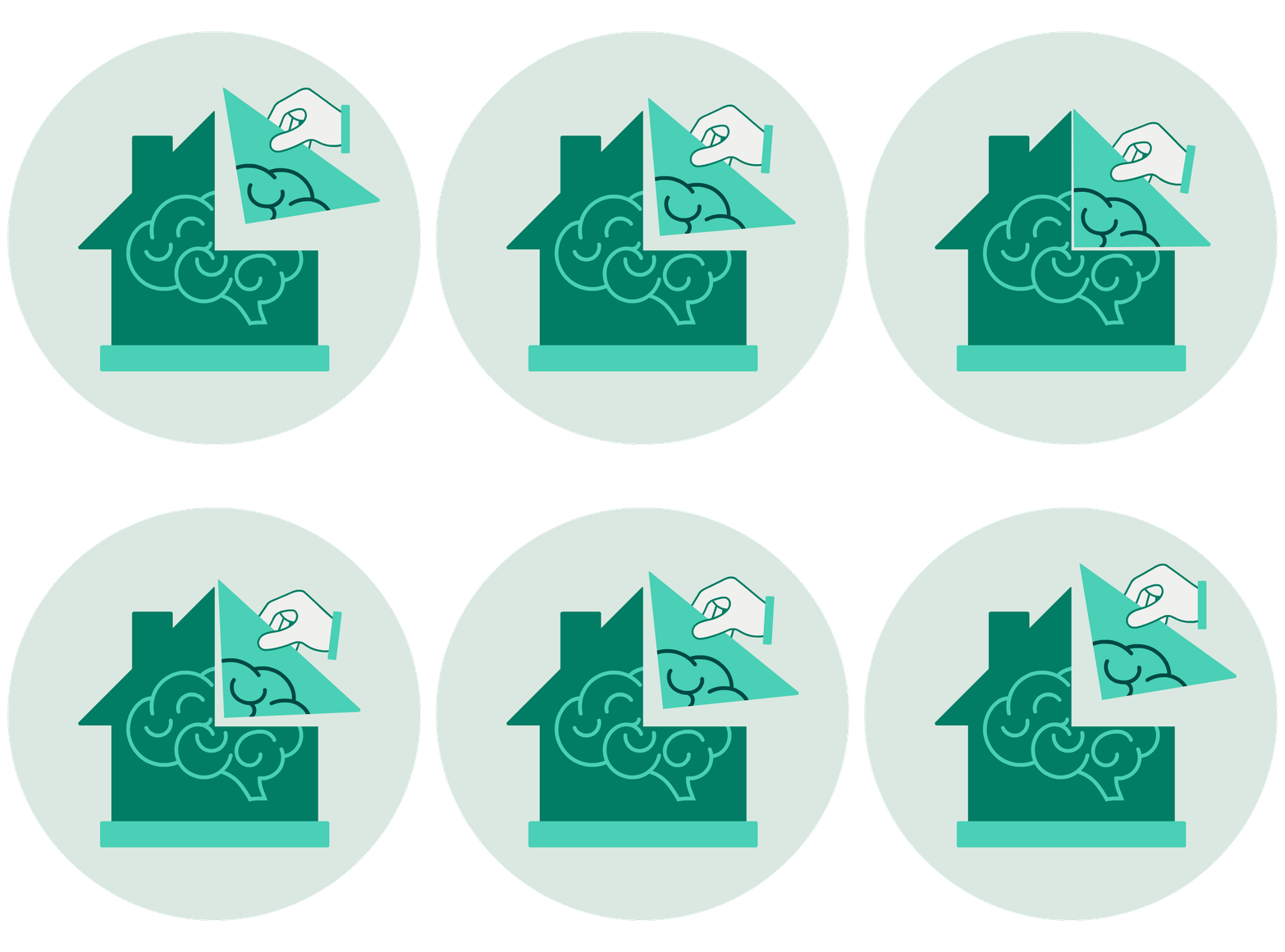
Brain Architecture
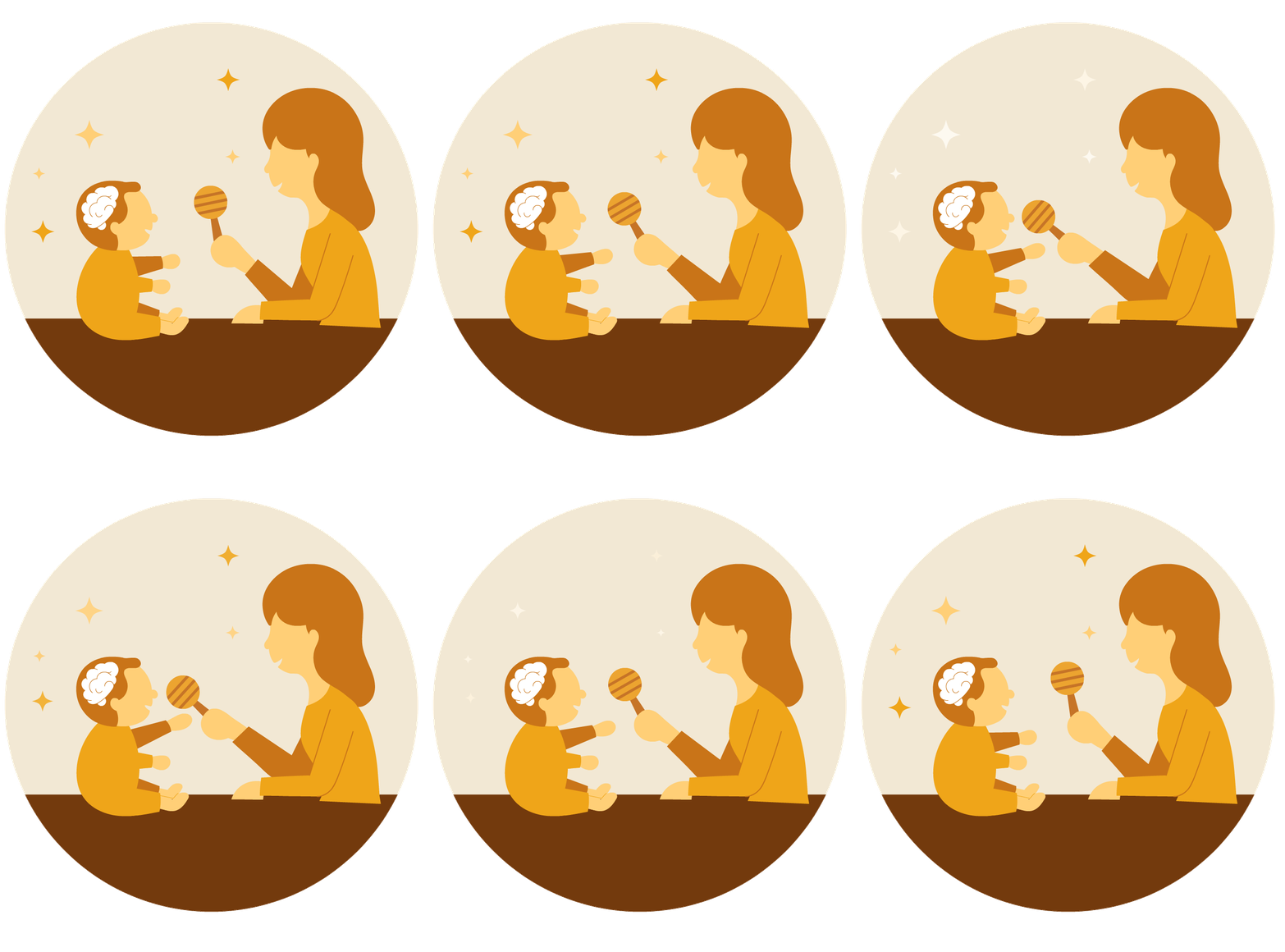
Serve and Return
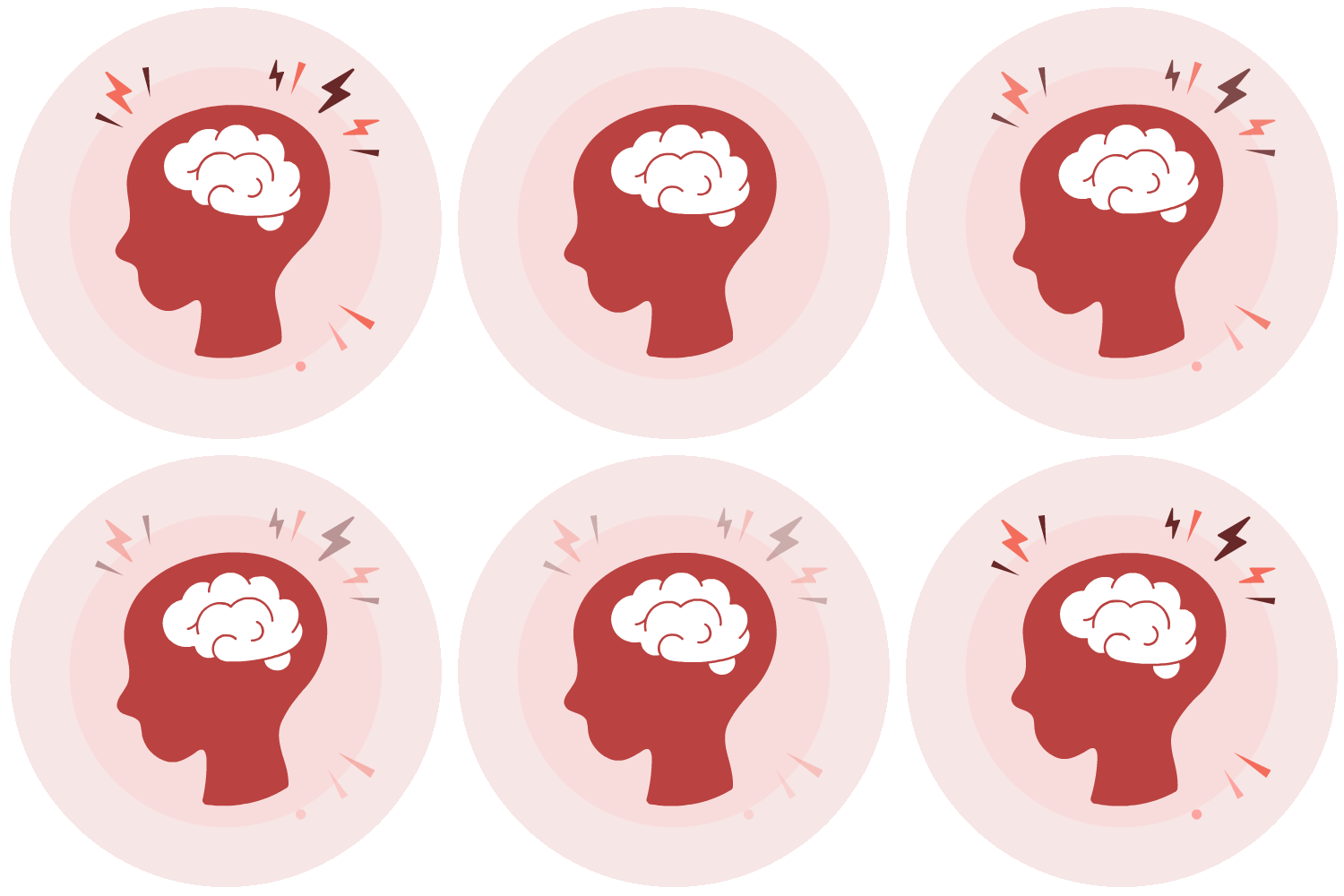
Toxic Stress
These concepts—and the causal, science-based narrative that helped build public understanding around them—explained how, for a young child, responsive serve and return interactions with caregivers are central to early childhood development, providing critical support for the development of healthy brain architecture and a buffer against toxic stress and the potential impacts of adversity.
This story, often now referred to in the field as “the brain story,” has been broadly adopted among public, academic, policymaking, and philanthropic audiences, helping to shape how decisions are made to support healthy development across a broad range of domains, from early care and education to child welfare to public health.
“ Looking back, we know that making the science user-friendly increased awareness, knowledge, and most importantly, action. It's now widely used as a base for effective advocacy and policy action.
—Lisa G. Klein, former Executive Director of the Alliance for Early Success and current President and CEO of the Impact Fellows Action Fund
Shifting the Narrative
With a new science-based story in hand, the Center set out to shift the narrative, working steadily to broaden public understanding of what drives healthy development and why early experiences matter.
Twenty years ago, the importance of a child's earliest years was not widely recognized in public discourse or policy. Conversations about young children were largely limited to the responsibilities of parents, and few states were focused on investing in early childhood beyond specific discussions around childcare or preschool.
Today, reflecting a nationwide groundswell of interest in the early years, every state has some type of early childhood agenda.
A Consensus That Early Experiences Matter
of U.S. policy influencers—across party affiliations—believe the prenatal-to-three period is extremely or very important for child development, future learning, and long-term physical and mental health.
believe it's important to invest in supporting parents and children during this early period.
And when asked about the most convincing argument for this support, respondents cite the importance of early brain development—reflecting the influence of the Center’s core scientific work.
Source: Promoting a PN-3 Agenda, April 2021, NCIT/Pritzker Children's Initiative
[We must] start at the earliest possible age. … Let's make sure none of our children start the race of life already behind.
—Former President Barack Obama, State of the Union Address, 2013
The first months of [a] child's life have an enormous impact on the development of their brain and the development of their entire life's course ahead.
—Former Senator Mitt Romney, White House Summit on Child Care and Paid Leave, 2019
“ The vast majority of people now realize that what happens in the earliest months and years matters, and it matters big time. If you look at the polling, it's a very bipartisan position that the early years are important and we ought to invest in them. That has been a sea change.
—Jessie Rasmussen, President of the Buffett Early Childhood Fund
Reaching Key Changemakers
From the beginning, the Center recognized that science alone would not improve outcomes for children. Research needed to reach people making decisions that shape children's lives, from advocates and caregivers to practitioners and legislators.
Across two decades of strategic engagement with local, national, and global decision makers, the Center's work has informed legislation, catalyzed policy, and influenced mindsets at agenda-setting organizations in the United States and around the world, including the American Academy of Pediatrics, the World Bank, and the United Nations.
“ In countless meetings I've attended at HHS, on the Hill, and at the White House, the work of the Center was cited to inform the development of new research investments, new program endeavors, and new policy initiatives.
—Michael Lu, MD, MS, MPH, former Director of the Maternal and Child Health Bureau at the U.S. Department of Health and Human Services (HHS) and current Dean of the School of Public Health at the University of California, Berkeley
Fostering Innovation in the Field
With a strong scientific foundation and a new narrative taking hold, the Center focused increasingly on leveraging science to spur innovation in the field and increase impact.
The Frontiers of Innovation Initiative
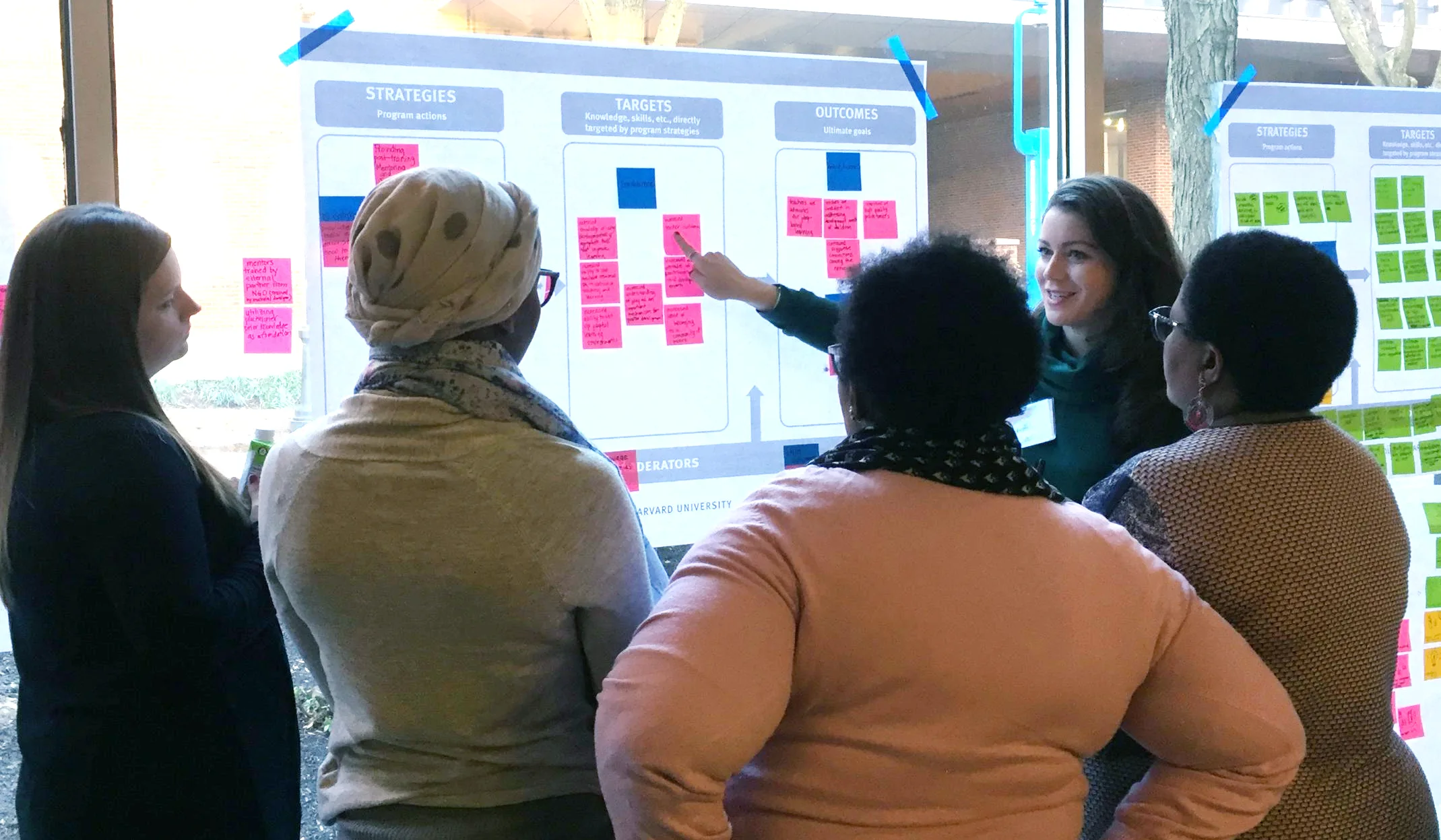
How might we accelerate the development and adoption of science-based innovations to achieve breakthrough impacts for children and families at scale?
That question led to Frontiers of Innovation (FOI), a research and development platform launched in 2011. Through the initiative, the Center collaborated with partners to create innovation clusters and provide technical assistance to a portfolio of projects, generating and sharing new knowledge to advance the early childhood field.
Case Study: Washington State Innovation Cluster
Washington State became the first FOI cluster in 2011. The collaboration effectively aligned policy, research, and practice around the science of early childhood development and left a lasting mark on the state's early childhood landscape—shaping legislation, professional development standards, policy frameworks, and program design. One example: The cluster informed the development of an Innovation Fund within King County's Best Starts for Kids initiative, supporting 13 community-based organizations in testing new science-based approaches and reaching 490,000 of King County's youngest children. The success led to the 2021 renewal of the Best Starts tax levy.
Increasing Our Impact: The IDEAS Toolkit
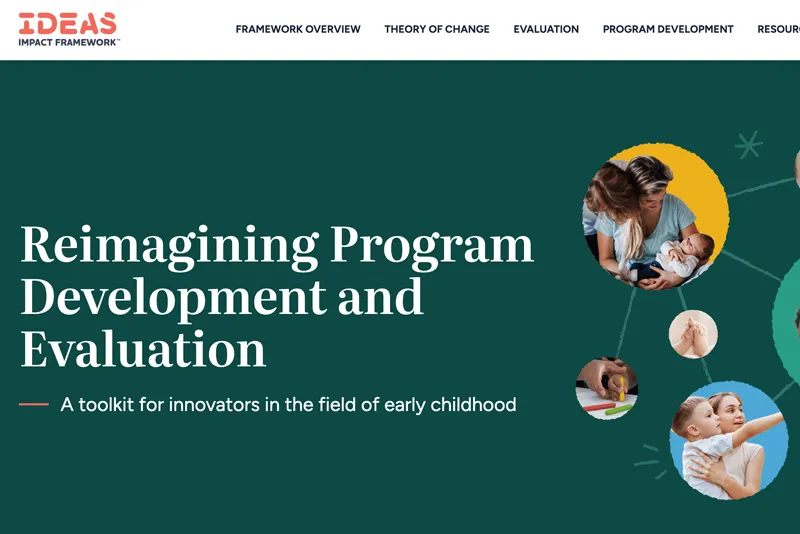
A core element of FOI was the IDEAS Impact Framework, a set of tools and processes that guided teams through the development and testing of their interventions. In 2023, to scale the reach of FOI even as the full program was sunsetting, the Center released the IDEAS Impact Framework Toolkit.
This free, self-guided toolkit made the framework openly accessible, using science-informed principles of child development to help anyone involved in the development, implementation, or evaluation of programs for children and families achieve breakthrough outcomes.
A New Approach to Measuring Stress Activation and Resilience
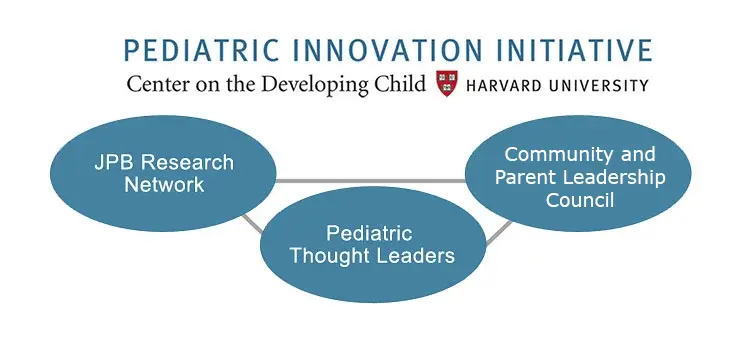
Launched initially as the JPB Research Network on Toxic Stress in 2015, the Pediatric Innovation Initiative (PII) was established in 2019 as an expanded collaboration among community leaders, parents, health care providers, and scientists.
The PII focused on developing new ways to measure stress activation and resilience in young children to empower parents, providers, and communities to support child health. Initially, the group focused on creating a measure of the body's response to adversity that could be used to evaluate individual children during primary health care office visits. This vision expanded, and the measures are now being explored as a community health indicator under the auspices of FirstPlace Partners.
Increasing Our Impact: Science X Design
In 2024, to respond to growing demand and reach more service providers at scale, the Center launched an innovative tool: Science X Design.
This open-access, self-paced learning module is designed to further empower providers in fields like health care, education, and child welfare to put the three principles into action and identify opportunities to improve their services.
1 / 5
“ As a result of FOI, the science is now understood and being integrated into the assessment and response to children and families by social workers, childcare providers, teachers, health care workers, and many other professionals … The science is not only driving policy—it's also changing everyday interactions between children and families, and the people responsible for helping them.
—Ruth Kagi, former Washington State Representative
2020: Supporting Children and Caregivers During a Global Pandemic
When the COVID-19 pandemic arrived in early 2020, the Center pivoted to provide what our audience needed most: credible, science-based resources to help parents, caregivers, practitioners, and policymakers navigate the crisis. These resources—from a new landing page and guides to infographics and podcast episodes—were rooted in the Center’s core scientific concepts and tailored to address the urgent challenges of the moment.
Unique Pageviews on COVID-Related Resources in 2020
The Center's podcast, What Shapes Us (previously called The Brain Architects), which first launched in January 2020, quickly shifted to host expert discussions on topics related to COVID-19, from mental health to racial disparities.
The events of 2020 also led to an increased focus for the Center on racial equity. The Center released new science-based resources examining racism’s impact on children’s development and lifelong health, and began a deeper investigation into the science of how racism impacts the lives of young children of color—laying the foundation for what would become the Council on Addressing Racism in the Early Years.
“ The Center has played a pivotal role in communicating the science of early childhood to the public and its decision makers. By synthesizing and distilling complex science and using communication science to translate it, the Center has reshaped American cultural mindsets about why early childhood matters and what we need to do—collectively—to support it.
—Nat Kendall-Taylor, PhD, Chief Executive Officer at the FrameWorks Institute
Partnering Around the World to Expand Our Reach
Throughout the years, the Center has strategically built partnerships across the United States and around the world, identifying opportunities to bring science into the conversations and decisions that shape children's lives. From local city governments to international foundations, these collaborations have expanded the Center's reach and impact.
Canada: Alberta Family Wellness Initiative
In 2007, building on years of collaboration, the Palix Foundation launched the Alberta Family Wellness Initiative (AFWI), dedicated to integrating the science of early childhood development into policy and practice across the province, with a particular focus on lifelong health, mental health, and addiction.
Learners in 100 countries have completed the Brain Story Certification course, a free program developed by AFWI to increase understanding of brain development, drawing on the Center's work
Brazil: Núcleo Ciência Pela Infância
In 2011, the Center joined with the David Rockefeller Center for Latin American Studies at Harvard, Fundação Maria Cecilia Souto Vidigal, and several other Brazilian organizations to form Núcleo Ciência Pela Infância. Over more than a decade, the collective impact initiative has:
- Influenced early childhood policies in more than a dozen states and shaped national legislation, including:
- The Legal Framework for Early Childhood (2016)
- Criança Feliz, a national home visiting program (2016)
- The National Pact for Early Childhood (2019)
- Trained nearly 600 public leaders through an Executive Leadership Program
- Created the iLab, a social innovation laboratory to design and test interventions
- Launched an applied research center on early childhood development
United Kingdom: Royal Foundation Centre for Early Childhood
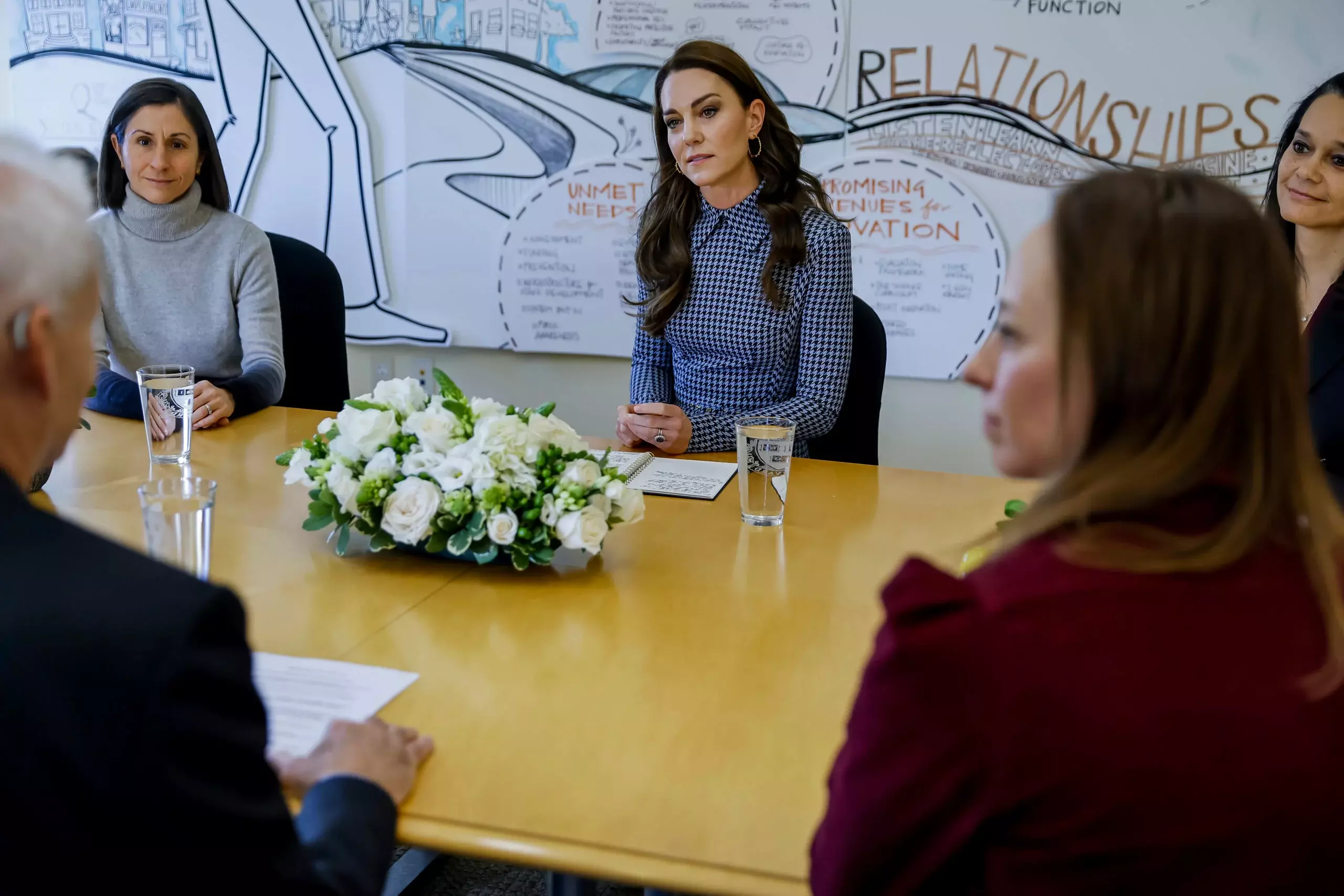
The Center provided scientific guidance to the Royal Foundation, advising on the landmark report Big Change Starts Small, released with the launch of their new Centre for Early Childhood in 2021. In 2022, the Center welcomed the Princess of Wales to Harvard for a discussion on early childhood science and policy.
Global: ECD Regional Networks
Between 2021 and 2023, the Center collaborated with four regional early childhood development (ECD) networks—representing Africa, Asia, Europe, and Arab countries—in a series of workshops to strengthen members’ capacity to use science-based knowledge in advancing early childhood policy development and implementation at regional and country levels. The virtual workshops engaged network teams from 19 countries and focused on strategies to effectively communicate the science of early childhood development, share learning across regions, and advance advocacy efforts.
Our Global Reach
“ The Center's resources, framing, and language have been invaluable as we have built our own understanding of early childhood development and sought to mobilise efforts across society.
—Christian Guy, Executive Director of The Royal Foundation Centre for Early Childhood
Broadening the Frame
While the core scientific concepts synthesized in the Center's early days remain critical to early development, science does not stand still. Ongoing research has made it increasingly clear that beyond a young child's foundational relationships, a wide range of conditions in the places where children live, grow, play, and learn affect their developing brains and other biological systems—with lifelong impacts on physical and mental health.
The Center understood the need to widen its scientific lens, looking upstream at how influences from the broader environment shape children's development and lifelong health—from the availability or lack of safe, stable housing to the presence or absence of green space. That also meant examining how systemic factors like climate change and structural racism impact children's environments in significant ways.
Telling this expanded story of early childhood development required expanded expertise. For the first time in Center history, the Center created two new councils—bringing together a broader range of academic disciplines, as well as diverse sources of knowledge and lived experiences of parents and caregivers—to improve our understanding of how influences from the developmental environment affect early childhood development and lifelong health:
The Launch of the ECSCEE
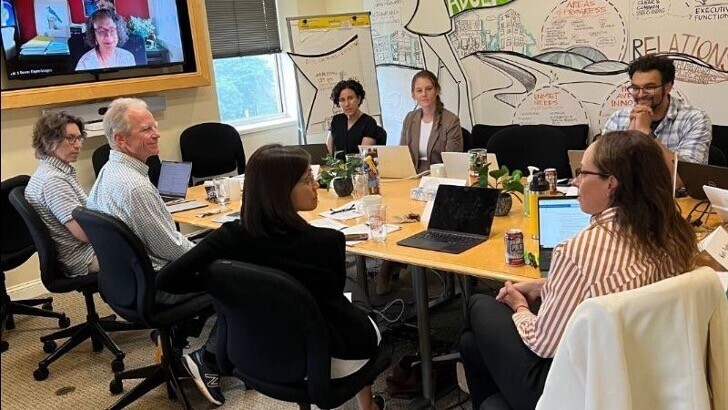
Under the leadership of Chief Science Officer Lindsey Burghardt, MD, MPH, FAAP, the Center launched the Early Childhood Scientific Council on Equity and the Environment (ECSCEE), a multidisciplinary, cross-organizational collaboration that analyzes, synthesizes, and communicates emerging science around the role of the built and natural environment in shaping the communities where caregivers are raising young children.
This includes the ways that systemic racism has influenced historic and current policies and practices that have resulted in unequal distribution of both risk and opportunity across communities.
The Launch of CARE
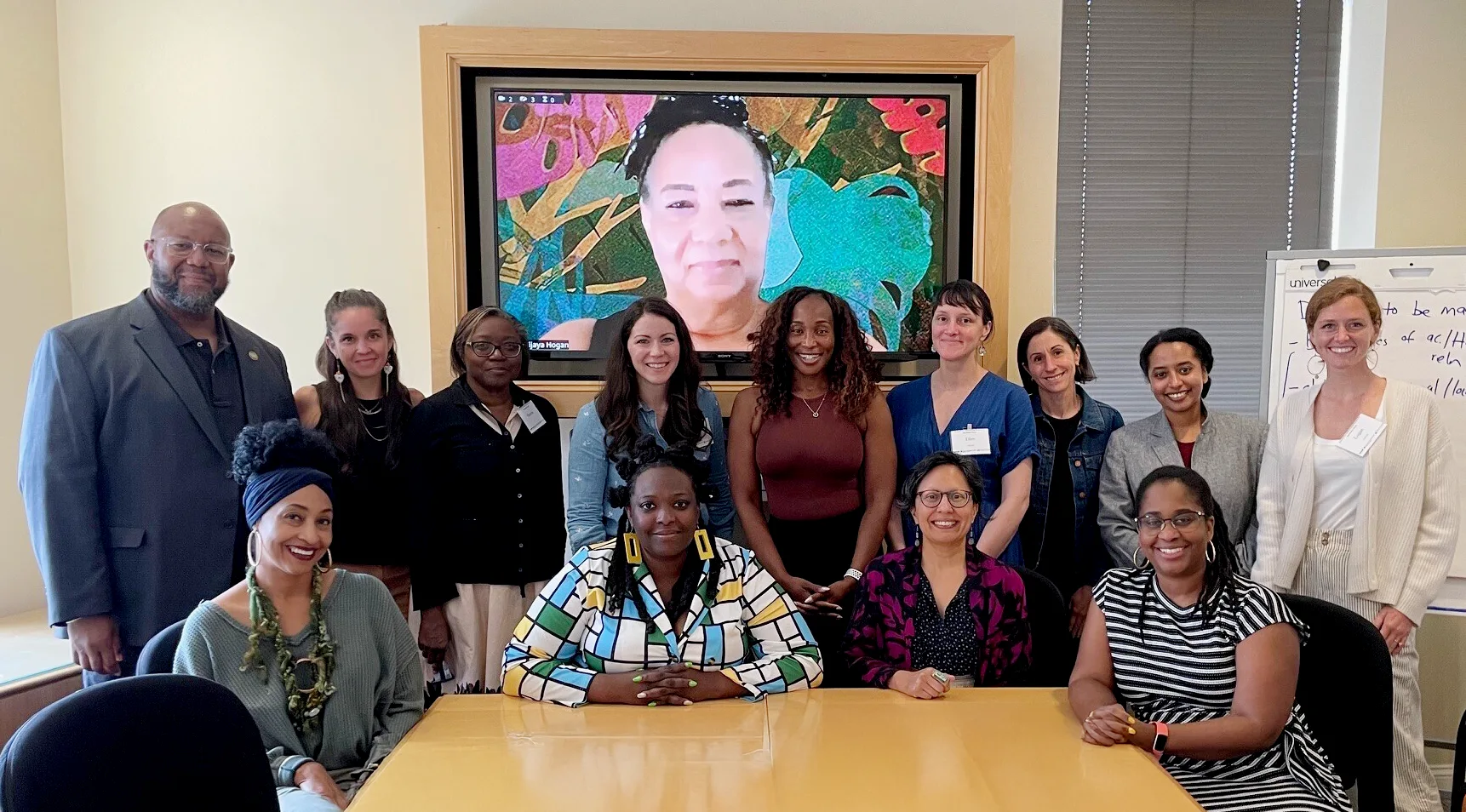
The Council on Addressing Racism in the Early Years (CARE) was established in partnership with the Center on the Ecology of Early Development (CEED) at Boston University, and the Equity Research Action Coalition (ERAC) at the University of North Carolina at Chapel Hill. The multidisciplinary group of researchers, practitioners, community advocates, and policy experts analyze, synthesize, and communicate what current evidence tells us about the effects of racism on children’s everyday lives. Under the leadership of Stephanie Curenton, PhD, and Iheoma U. Iruka, PhD, the Council brings together members representing different professional roles, areas of research expertise, sectors, and lived experiences to focus on translational and real-world impact.
“ [The Center] has helped move the field beyond viewing early care and education solely as preparation for school, demonstrating that children’s relationships, environments, and early experiences shape brain development, lifelong health, learning, and well-being.
—Aaliyah A. Maxwell, EdD, Member of the Virginia State Board of Education and former Deputy Assistant Secretary of Local, State, and National Engagement, U.S. Department of Education
2026: Looking Ahead to a New Era
In 2026, Stephanie M. Jones, PhD, was named the Center's second-ever faculty director, following Dr. Shonkoff's decision to step down to pursue an independent portfolio of work dedicated to advancing the application of early childhood science through community-informed, place-based action. Under Dr. Jones’ leadership, the Center continues to focus on making interdisciplinary science related to early childhood development accessible and actionable, working with partners and drawing on a wide range of expertise and resources in service of better, more equitable outcomes for young children facing adversity.
As the Center celebrates its 20th year, with a new faculty director at the helm, we look forward to building on two decades of progress. By bringing together a science-informed lens, community expertise, and lived experience of caregivers raising young children, we can support healthy development and create places free of hazards and rich with opportunity for all children.
We invite you to join us as we move this work forward. Together, we can work toward a world where every child grows up in a developmental environment where they have what they need to thrive.
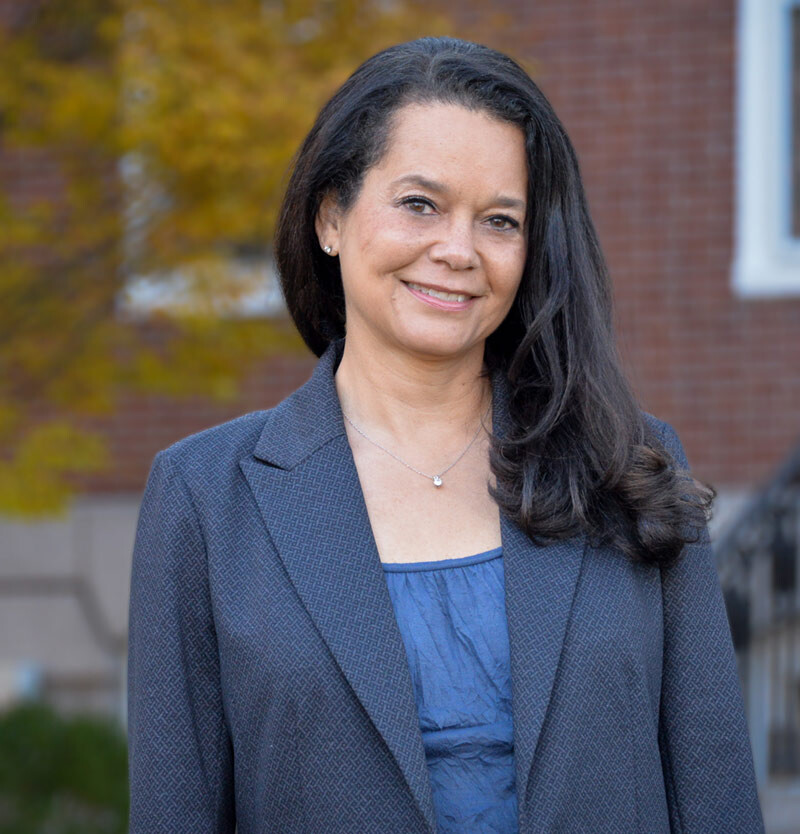
“ For two decades, the Center has made the science of early childhood development accessible and actionable—advancing better, more equitable outcomes for young children and their caregivers. As we look ahead to the next 20 years, we are committed to building on that foundation, working with our partners, communities, and leaders across policy sectors to create environments in which all children can thrive.
Learn More
Explore additional resources and dive deeper into the Center's work and research: