Policy Q&A: How Connecticut’s Head Start on Housing Program Is Strengthening Stability for Young Children
Connecticut leaders share how the innovative program pairs rental assistance with wraparound services to improve family stability, and what other states can learn from their approach.

In our Policy Q&A series, we’re featuring a diverse array of perspectives on the many ways that science, community expertise, and lived experience can inform policy and program design to support healthy development during the earliest years.
Early education and housing are typically treated as distinct policy areas. But for young children, the two are closely connected as part of a broad web of influences that shape their development and lifelong health. Because of the interconnected nature of this web, ensuring housing stability can have a multiplier effect across a child’s broader developmental environment: Stable housing allows children to attend the same school or childcare location, which supports continuity in learning, as well as in developing consistent, caring relationships with teachers and peers. Stable housing also reduces family stress, provides a safe space for consistent sleep and daily routines, and is associated with a range of benefits for young children, from reduced risks of developmental delays to improved nutrition.
Head Start on Housing (HSOH), an innovative program in Connecticut, is built on the understanding that stable housing is essential to helping young children thrive in the classroom and beyond. HSOH identifies families enrolled in Head Start and Early Head Start early education programs who are experiencing homelessness or housing instability and connects them to permanent housing through dedicated rental assistance.
HSOH, the first program of its kind in the country, has successfully helped more than 330 children and their caregivers obtain stable housing since it launched as a pilot in 2022. The program also offers wraparound services to further strengthen family stability and support early development—ranging from housing navigation and job training to health care referrals. As the program continues to grow, Connecticut leaders hope HSOH can serve as a model for other states looking to strengthen housing stability for young children and their caregivers.
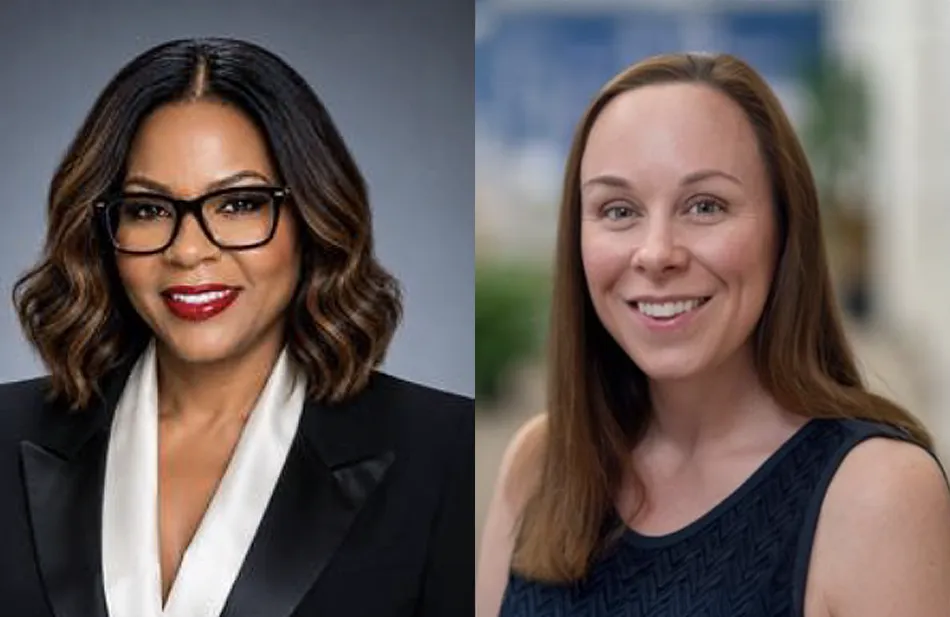
In this Q&A, Shanté Hanks, EdD, senior advisor in Connecticut’s Department of Housing and director of the HSOH program, and Karen Pascale, director of the Connecticut Head Start Collaboration Office, share their views on why stable housing is foundational to children’s development, how the program takes a two-generational approach to supporting families, and what they hope other states can learn from the pilot.
Tell us about the launch of HSOH. How was it created, and what elements of the pilot helped build a strong foundation for success?
Dr. Hanks: The concept for Head Start on Housing grew out of conversations about how housing assistance could be more intentionally connected to families with young children experiencing homelessness. Betsy Cronin, whose work has focused on expanding access to permanent housing for families, was instrumental in bringing this idea to the state. The Department of Housing and the Office of Early Childhood then aligned the resources needed to move the concept from an idea to a statewide intervention. Connecticut was able to use ARPA [the 2021 American Rescue Plan Act] funding to launch the pilot during a period of significant housing instability following the COVID-19 pandemic. At its core, the model brought housing and early childhood systems together around a shared objective: creating a more direct pathway to stable housing for families with young children.
When we first launched Head Start on Housing, people thought it was too good to be true. That’s where our data dashboard proved so helpful. People could see the numbers change every Friday afternoon, showing more families moving through the pipeline, from referral to application to apartment search to housed. We have the qualitative success stories from families—but the quantitative data and transparency are what’s really important when you’re looking for buy-in and justification for using taxpayer dollars.
Because of the pilot’s success and the data we captured early on, we were able to show our legislature that this program works for the entire state, and they were quickly on board.
Housing policy and early childhood policy have typically operated in separate silos. What was the strategy behind connecting early education with housing?
“For young children to be successful and thrive, they need stable housing as a foundation.”
Pascale: We know that our infants and toddlers don’t get to school on their own—they do so in the context of their families. If we can support those families holistically, then we know that we can help children get what they need. For young children to be successful and thrive, they need stable housing as a foundation.
Head Start was uniquely positioned to take on this work because they are already providing a two-generational approach: They provide high-quality early care and education for the children, along with comprehensive support services for families. Head Start staff have existing relationships with families, so families are able to open up to them about their housing experience. And staff are able to identify if there’s a change in the family—for example, if the child starts missing school or falling behind in developmental screenings.
HSOH is about more than housing assistance. What other services does the program offer, and why are these critical for supporting young children and families experiencing homelessness?
Pascale: We always start with a Family Strengths and Needs Assessment. From the moment families come in, Head Start is working with them to set goals, be referred to services, and receive support. We want to make sure they have everything they need to sustain their housing.
Dr. Hanks: It is really important to first have that engagement with families, because there is not a one-size-fits-all solution. Some families could be experiencing financial hardship due to a medical issue, while for others it could be because of a divorce or loss of income. Many of the families we work with are not chronically homeless. An unexpected life circumstance can quickly create housing instability. We want to help families navigate available supports and services to put them back on a path to success.
So it’s about looking at the family as a whole. For a child to have a stable education, we need to ensure stability for their family. That means stable housing, but it also might mean providing job training for their parents, or connecting them to health care or nutrition assistance, like WIC or SNAP, if they aren’t already.
Beyond immediate housing support, how does the program help families achieve long-term, overall stability?
Dr. Hanks: We really encourage families with a housing voucher to participate in the Family Self-Sufficiency Program, because it helps identify goals, such as moving to a new area or buying a car to increase employment options. Then, as families grow their income—instead of needing to pay more toward their rent as a result—that extra money goes into an escrow savings account to put toward their goals.
“We’re looking to have a relationship with families and build trust. That’s what makes this program unique: With any successful intervention, there has to be that continuity.”
When I talk to families who receive these vouchers, they often feel like they won the lottery. I like to help them think about long-term goals and provide them with the tools to become financially self-sufficient. We’re not looking to just provide this voucher and only hear from families once a year when they need to recertify. We’re looking to have a relationship and build trust. We want families to know we’re here to support them and their children. That’s what makes this program unique: With any successful intervention, there has to be that continuity.
While the dashboard helps illustrate HSOH’s impact, the personal stories of children and caregivers offer another important perspective. Could you share a story of a family in HSOH that speaks to their resilience and how the program has supported them?
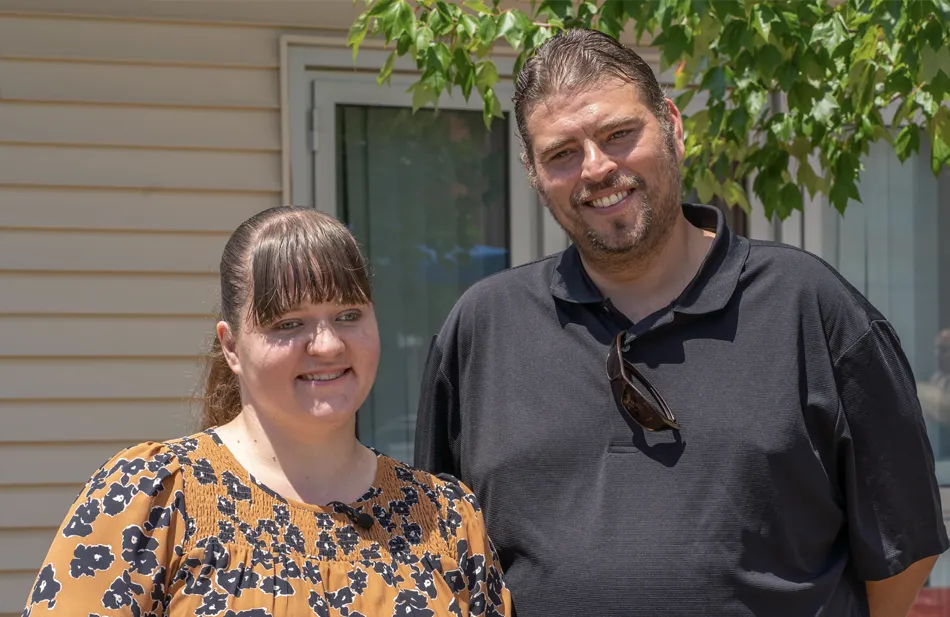
Pascale: The Gonzalez family was one of the first families we housed in 2022. The mother, Meghan Gonzalez, recently reconnected with us and shared her story of how they are doing now—and they are thriving. Meghan, her husband, and kids had been living from couch to couch and staying in hotels for years. All that time, they managed to get their kids to school every day. She opened up about her situation to her Head Start program, and she was able to do so because she already had an established relationship with staff.
When they got the keys to their apartment, her son—he was six or seven—at first didn’t want to unpack because he wasn’t sure if they were going to have to leave again. But now, four years later, they have sustained their housing. She and her husband are both working and supporting their family, everyone has settled in, and they are doing well. She attributes a lot of that to the continuity of the Head Start program, the relationships that she built with their family advocate and the teachers in the program. She really felt supported by her program and state agencies.
Other states have expressed interest in launching their own HSOH programs. What advice do you give them?
Dr. Hanks: This is a program that can be replicated. Housing Choice Vouchers—or Section 8—is a federally funded program, and every state has access to them. So I tell states, you absolutely can do this. You may have to modify your housing plans, but we can help you with that.
But it’s not just about helping other states start this program; it’s about how to maintain it. Sustainability is really important. You have to be forward-thinking about funding and start getting that buy-in early on. That’s where we found the data dashboard to be so important.
I’d also tell states to think about communication and strengthening cross-agency relationships. Oftentimes when we’re talking to people in other states about starting similar programs, we’re surprised to find that they’re not able to pick up the phone and meet with other agencies, whether it’s the housing authority, the Office of Early Childhood, or a legislator. We really do have open communication here in Connecticut between experts in housing and experts in early childhood education. Everyone is working in lockstep—because our ultimate goal is providing stability for families.
The Center on the Developing Child is committed to elevating a variety of perspectives around supporting healthy development in the earliest years. The views and opinions expressed by Policy Q&A subjects are those of the individual and do not necessarily represent those of the Center.