Council on Addressing Racism in the Early Years

Established in the fall of 2024, the Council on Addressing Racism in the Early Years (CARE) brings together a multidisciplinary group of researchers, practitioners, community advocates, and policy experts to analyze, synthesize, and communicate what current evidence tells us about the effects of racism on children’s everyday lives. The group is made up of individuals who want to help unravel and counteract the hidden and visible threads of racism woven into the tapestry of children’s daily experiences. This begins with a critical examination of the science behind how racism impacts the lives of young children of color from multiple disciplines and perspectives.
This group aims to develop tools to communicate this impact to people who are making daily decisions on behalf of the well-being of children—families, educators, practitioners, policymakers, and others.
The Council on Addressing Racism in the Early Years (CARE) brings together a multidisciplinary group of researchers, practitioners, community advocates, and policy experts to analyze, synthesize, and communicate what current evidence tells us about the effects of racism on children’s everyday lives.
This work is being led through a partnership that brings together the expertise of three academic centers from top-tier research universities: the Center on the Ecology of Early Development (CEED) at Boston University, the Equity Research Action Coalition (ERAC) at the University of North Carolina at Chapel Hill, and the Center on the Developing Child at Harvard University (HCDC).
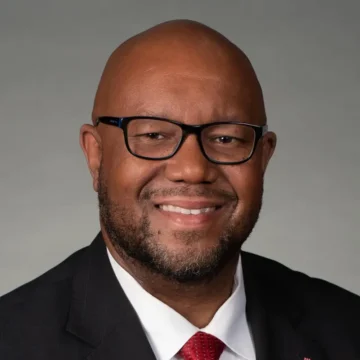
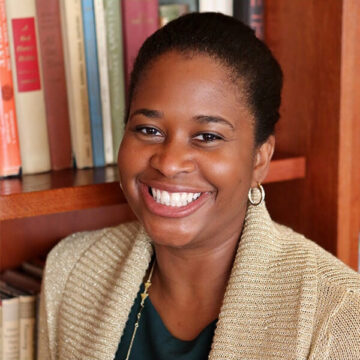
Our three centers are coming together because of our complementary expertise and our shared values related to the importance of understanding and combatting racism as a persistent and harmful influence in children’s developmental environment. Stephanie Curenton, PhD, of CEED and , Iheoma U. Iruka, PhD, of ERAC will work closely with HCDC serving as co-directors of CARE, leveraging their work as the founders of the RISER Network (Researchers Investigating Sociocultural Equity and Race) and their intellectual leadership in the field related to the effects of racism on children’s development. HCDC brings its experience operating two other councils that aim to analyze, synthesize, and communicate about science—the National Scientific Council on the Developing Child and the Early Childhood Scientific Council on Equity and the Environment.
Council Members
CARE represents a unique opportunity to work across disciplines on a project focused on translational and real-world impact. The Council brings together members representing different professional roles, areas of research expertise, sectors, and lived experiences, allowing us to take a holistic approach to the questions underlying this work. Current membership includes the following group, with the potential to grow over time.
-
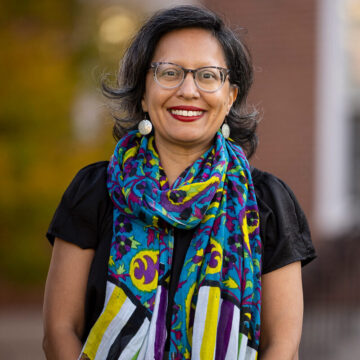
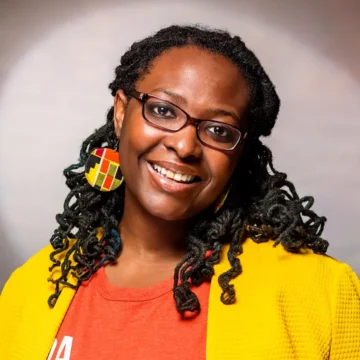
Aeshna Badruzzaman, PhD
Project Director for CARE and Senior Project Manager for Instructional Design




About the Partners:
The Center on the Ecology of Early Development (CEED) at Boston University. CEED conducts applied equity-focused research to inspire policy leaders and practitioners to cultivate health and education opportunities that optimize Black children’s well-being and ability to thrive.
The Equity Research Action Coalition (ERAC) at the University of North Carolina—Chapel Hill. ERAC works with practitioners and policymakers to eradicate the impact of racism and all its consequences on the lives of Black and other minoritized children, families, and communities to promote their health, wealth, and educational excellence.

The Center on the Developing Child at Harvard University (HCDC). HCDC brings a signature approach to knowledge synthesis, translation, and communication to shift mindsets about the importance of the early years and to catalyze new thinking about what we might do differently as a society to better support all children to reach their full potential.